
Comprehensive Guide to Transportation Logistics in TX: What You Need to Know


Understanding Transportation Logistics in Texas
Transportation logistics in Texas is a complex and dynamic field, essential for businesses aiming to optimize their supply chain operations. With its vast landscape and robust economy, Texas is a hub for logistics activities. This guide will explore the key aspects you need to know to navigate this critical industry effectively.
Key Transportation Modes
In Texas, the main modes of transportation include road, rail, air, and sea. Each mode has its unique advantages and is suited to different types of cargo.
- Road Transport: The extensive highway network makes it ideal for short to medium-distance freight.
- Rail Transport: Best for bulk goods over long distances, with major railroads linking Texas to other states.
- Air Freight: Offers speed and efficiency, vital for perishable or high-value goods.
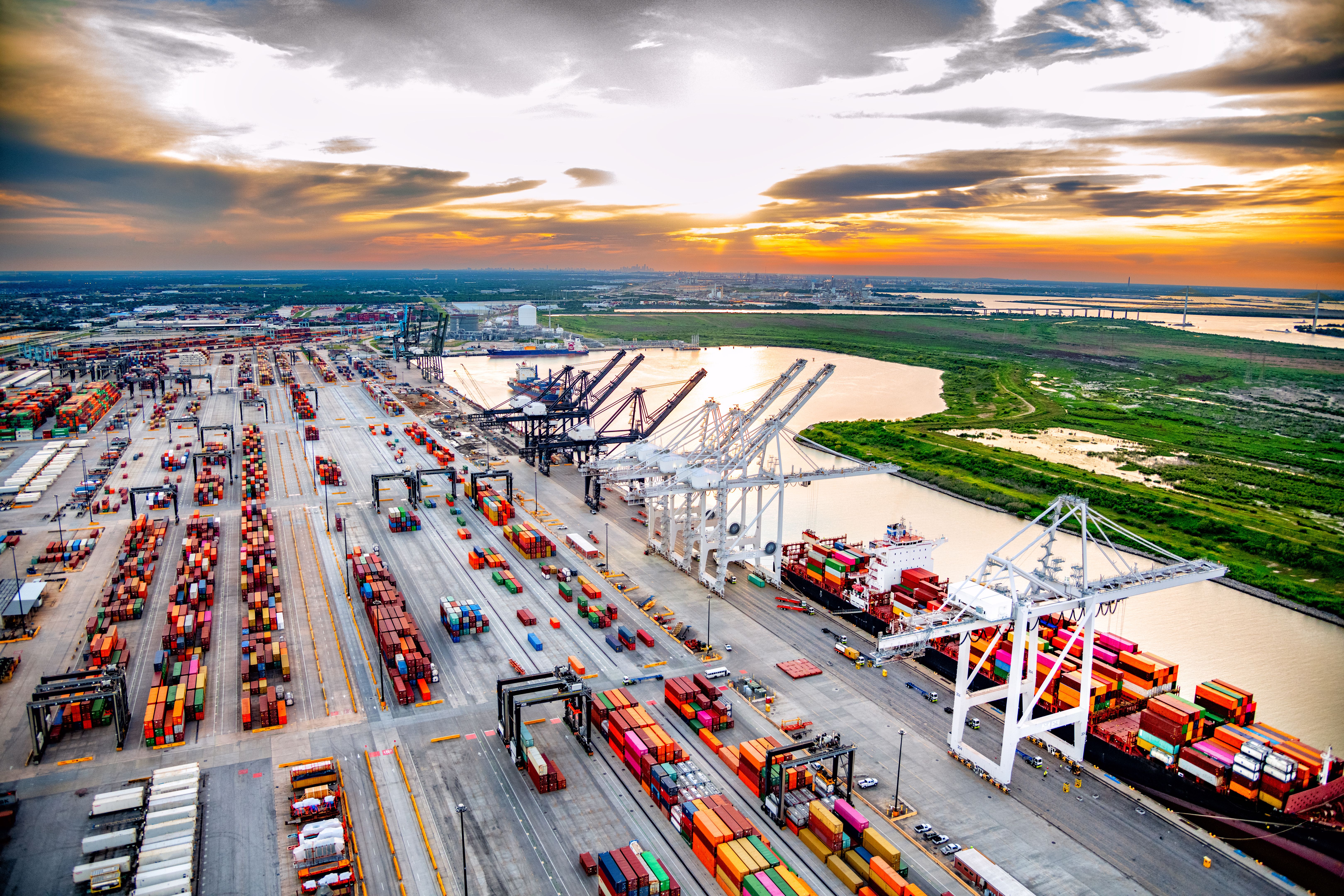
- Sea Transport: Port cities like Houston and Corpus Christi serve as gateways for international trade.
Key Hubs and Infrastructure
Texas boasts several logistical hubs, with Dallas/Fort Worth, Houston, and San Antonio being the most prominent. These cities provide robust infrastructure, including airports, seaports, and intermodal facilities, enhancing their logistical capabilities.
Regulations and Compliance
Understanding the regulatory environment is crucial for transportation logistics in Texas. The state has specific regulations regarding vehicle weight, driver hours, and environmental standards. Compliance with these rules is essential to avoid penalties and ensure smooth operations.
Additionally, businesses must stay updated on federal regulations that impact interstate transport. This includes the Federal Motor Carrier Safety Administration (FMCSA) guidelines, which govern commercial vehicle operations.
Technological Advancements
Technology plays a pivotal role in modern logistics. In Texas, companies are increasingly adopting innovations such as GPS tracking, automated warehousing, and digital freight matching to improve efficiency and reduce costs.
Investing in technology can provide a competitive edge, streamline operations, and enhance customer satisfaction by ensuring timely deliveries.

Challenges and Opportunities
While Texas offers numerous opportunities, it also presents challenges such as traffic congestion, weather disruptions, and regulatory complexities. Addressing these issues requires strategic planning and investment in infrastructure and technology.
However, the state's economic growth and strategic location continue to offer significant opportunities for businesses in the logistics sector.
Conclusion
Transportation logistics in Texas is a vital component of the state's economy, offering numerous opportunities for businesses willing to navigate its complexities. By understanding the key modes of transport, regulations, and technological trends, companies can optimize their operations and thrive in this dynamic environment.