
Expert Insights: Trends Shaping the Future of Logistics in Texas


Introduction
As the logistics industry continues to evolve, Texas stands at the forefront of innovation and transformation. The state's strategic location and robust infrastructure make it a crucial hub for logistics in the United States. In this post, we'll explore the key trends shaping the future of logistics in Texas and how they might impact businesses and consumers alike.
Growth of E-commerce
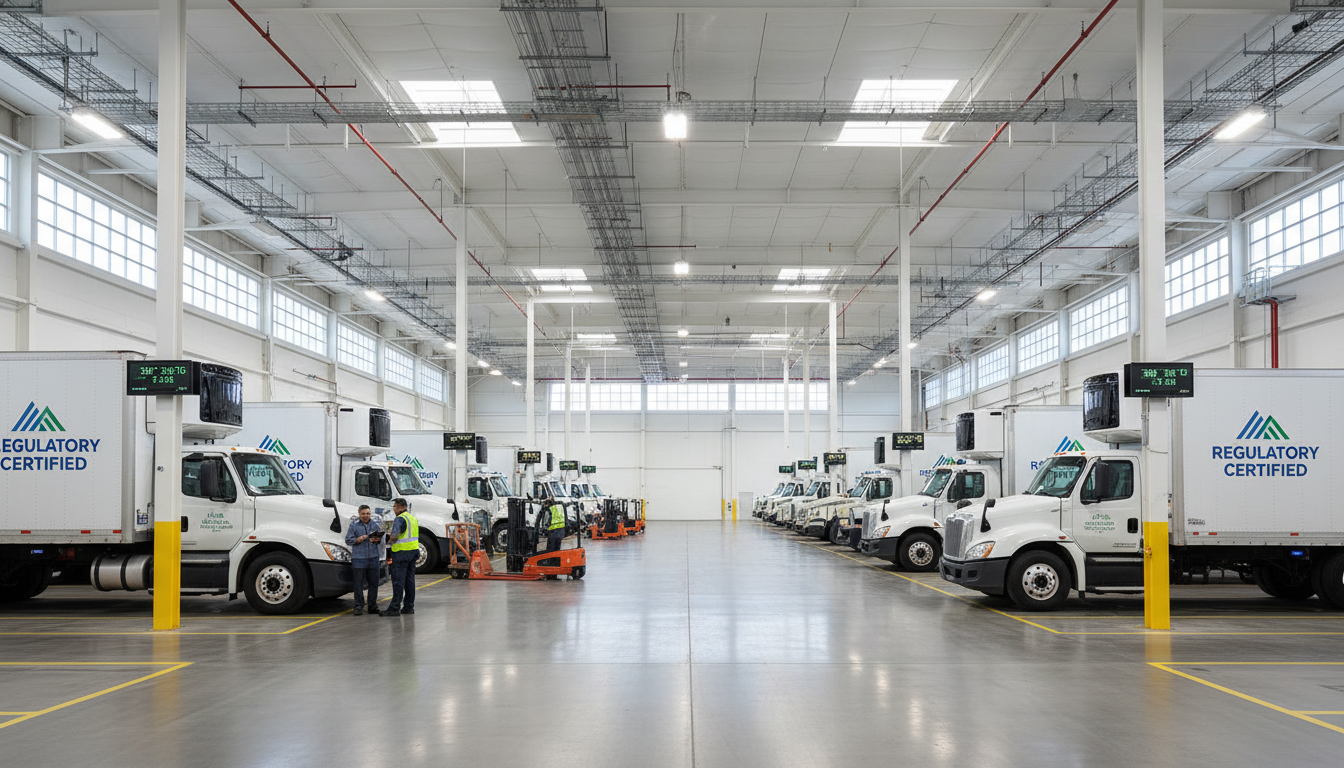
The rapid growth of e-commerce has significantly impacted logistics operations in Texas. With more consumers opting for online shopping, logistics companies are under pressure to enhance their delivery capabilities. This trend has led to the expansion of distribution centers and the adoption of advanced technologies to streamline operations and meet customer demands.
Last-Mile Delivery Innovations
Last-mile delivery has become a focal point for logistics companies aiming to improve efficiency and reduce costs. Innovations such as autonomous delivery vehicles and drones are being explored to expedite deliveries in urban areas. These technologies promise to transform how packages reach consumers, offering faster and more reliable service.

Technology Integration
Technology integration is revolutionizing the logistics industry in Texas. From artificial intelligence to blockchain, these technologies are providing new ways to optimize supply chain management. AI-driven analytics offer insights into demand forecasting, while blockchain ensures transparency and security in transactions.
Automation and Robotics
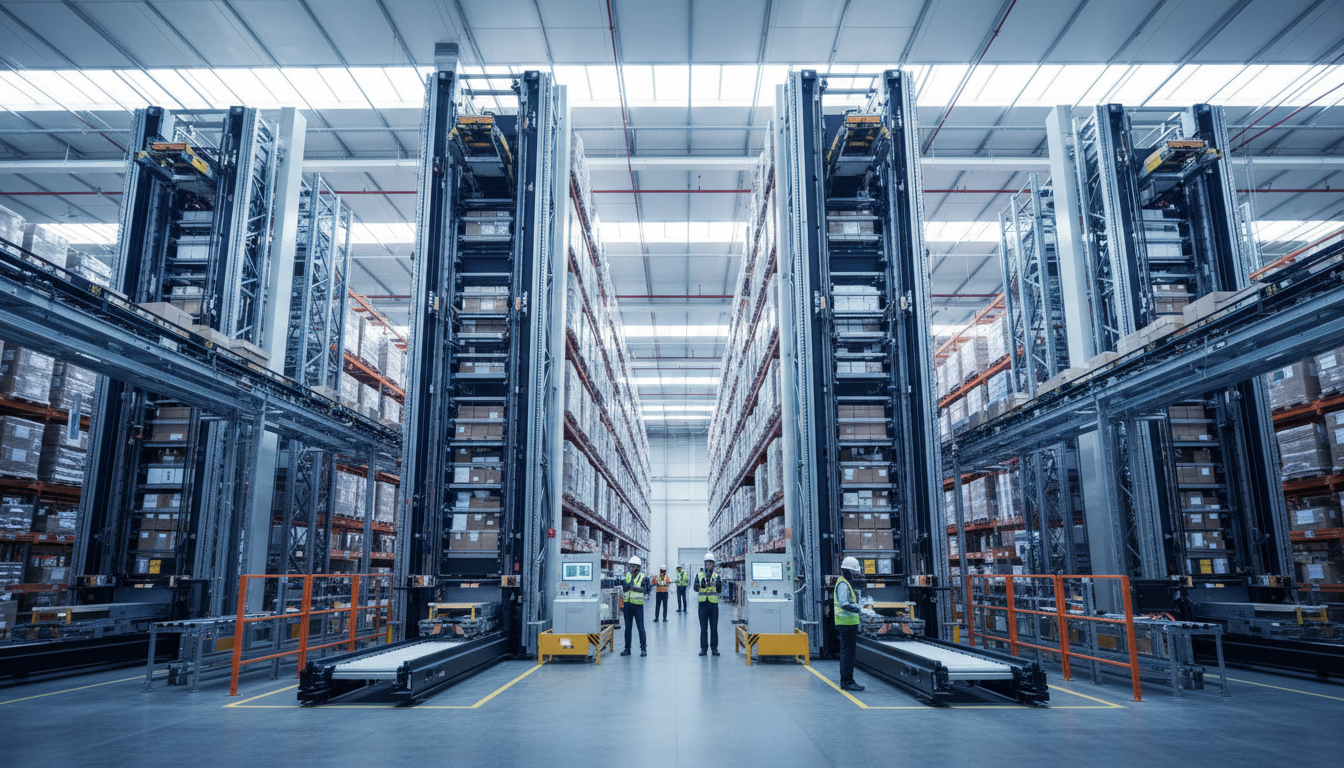
Automation and robotics are increasingly being utilized in warehouses and distribution centers across Texas. By automating repetitive tasks, companies can increase efficiency and reduce human error. Robotics also enhances inventory management, ensuring accuracy and speed in fulfilling orders.
Sustainability and Green Logistics
As environmental concerns grow, the logistics industry in Texas is focusing on sustainability. Companies are adopting green logistics practices to reduce their carbon footprint. This includes using electric vehicles for transportation, optimizing routes to minimize fuel consumption, and implementing recycling programs in warehouses.
Renewable Energy Adoption
Renewable energy is becoming a critical component of logistics operations. Many companies are investing in solar panels and wind energy to power their facilities. This shift not only supports sustainability goals but also reduces operational costs in the long term.

Infrastructure Development
Infrastructure development is essential for supporting the logistics industry's growth in Texas. The state is investing in improving road networks, expanding ports, and enhancing rail connectivity. These developments aim to facilitate smoother transportation of goods and reduce congestion in key areas.
Public-Private Partnerships
Public-private partnerships are playing a vital role in these infrastructure projects. By collaborating with private entities, the state can leverage expertise and resources to accelerate development. These partnerships are crucial for building a resilient and efficient logistics network.
In conclusion, the logistics industry in Texas is undergoing significant changes driven by technology, sustainability, and infrastructure development. By staying ahead of these trends, businesses can position themselves for success in a rapidly evolving market.