
Exploring El Paso's Role in Texas Trucking and Logistics


El Paso: A Crucial Hub in Texas Trucking
El Paso, strategically located on the border with Mexico, plays a significant role in Texas's trucking and logistics industry. Its geographical position makes it a key player in cross-border trade, linking major markets in the United States with those in Mexico. This connectivity enhances the efficiency and speed of goods transportation, benefiting businesses on both sides of the border.

The city's infrastructure is well-suited for logistics operations, with major highways such as I-10 and I-25 providing vital links to other parts of the country. El Paso International Airport and the nearby rail networks further bolster its logistics capabilities, making it an attractive location for companies looking to optimize their supply chain operations.
Infrastructure and Connectivity
The robust infrastructure in El Paso supports a thriving trucking and logistics sector. The city's highways and interstates serve as major arteries for freight movement, facilitating seamless transportation across state lines and international borders. Additionally, the city's rail connections provide an efficient alternative for long-distance freight, complementing the road transport system.

El Paso International Airport adds another layer of connectivity, offering cargo services that enhance the speed and efficiency of logistics operations. This multimodal transportation network ensures that goods move swiftly to their destinations, reducing transit times and costs for businesses.
Economic Impact
The trucking and logistics industry in El Paso significantly contributes to the local economy. It supports thousands of jobs, both directly and indirectly, and fuels economic growth in the region. The sector attracts investment, fosters innovation, and drives the development of related industries such as warehousing and distribution.
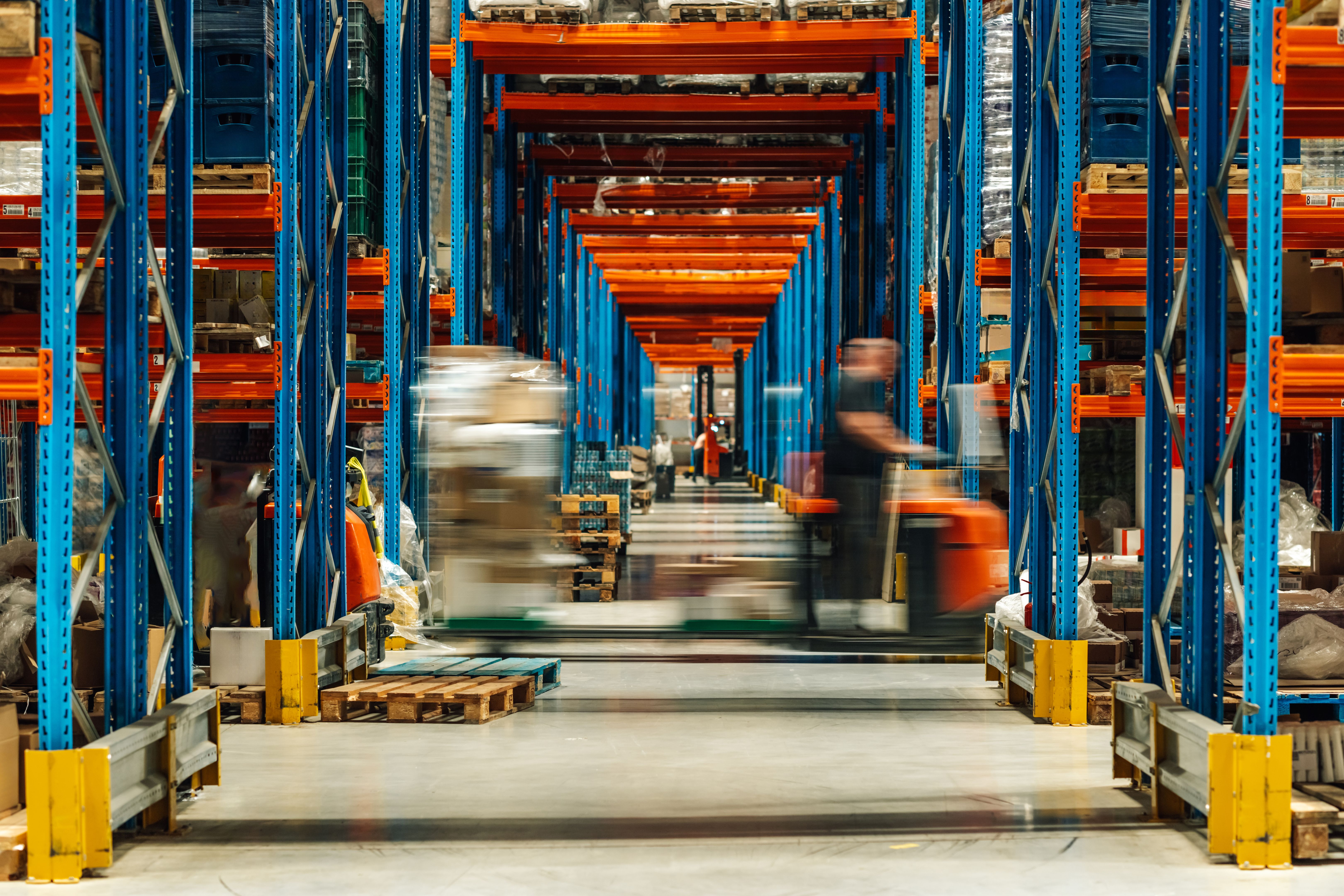
Moreover, the presence of major logistics companies in El Paso highlights the city's importance as a logistics hub. These companies leverage the city's strategic location to optimize their supply chain operations, benefiting from reduced transportation costs and improved access to international markets.
Challenges and Opportunities
While El Paso offers numerous advantages for the trucking and logistics industry, it also faces challenges. Infrastructure maintenance, regulatory changes, and cross-border trade complexities are ongoing issues that require attention. However, these challenges present opportunities for innovation and growth.
By investing in infrastructure improvements and adopting new technologies, El Paso can enhance its logistics capabilities further. Initiatives such as smart logistics solutions and sustainable transportation practices can position the city as a leader in the logistics sector, attracting more businesses and boosting economic development.
Future Prospects
The future of trucking and logistics in El Paso looks promising. Continued investment in infrastructure and technology will enhance the city's role as a logistics hub. As global trade dynamics evolve, El Paso's strategic location and robust logistics network will become increasingly valuable.
In conclusion, El Paso plays a crucial role in Texas's trucking and logistics industry. Its strategic location, strong infrastructure, and economic impact make it a key player in facilitating trade and transportation. With continued investment and innovation, El Paso is well-positioned to thrive in the ever-evolving logistics landscape.