
How Digital Freight Matching Platforms are Revolutionizing Texas Logistics


Introduction to Digital Freight Matching
In recent years, the logistics industry has seen a significant transformation with the advent of digital freight matching platforms. These platforms are particularly revolutionizing logistics in Texas, a state that stands as a major hub for freight transportation. By leveraging technology, these platforms efficiently connect shippers with carriers, optimizing the transportation process.
Historically, freight matching involved a lot of manual processes, phone calls, and paperwork. Today, thanks to digital platforms, this entire process is streamlined, allowing for quicker and more reliable matches. This change is not just improving efficiency but also significantly reducing costs.
How Digital Freight Matching Works
Digital freight matching platforms operate by using algorithms to match shippers and carriers based on various parameters like location, load size, and delivery timelines. These algorithms take into account real-time data, which ensures that the best possible match is made.
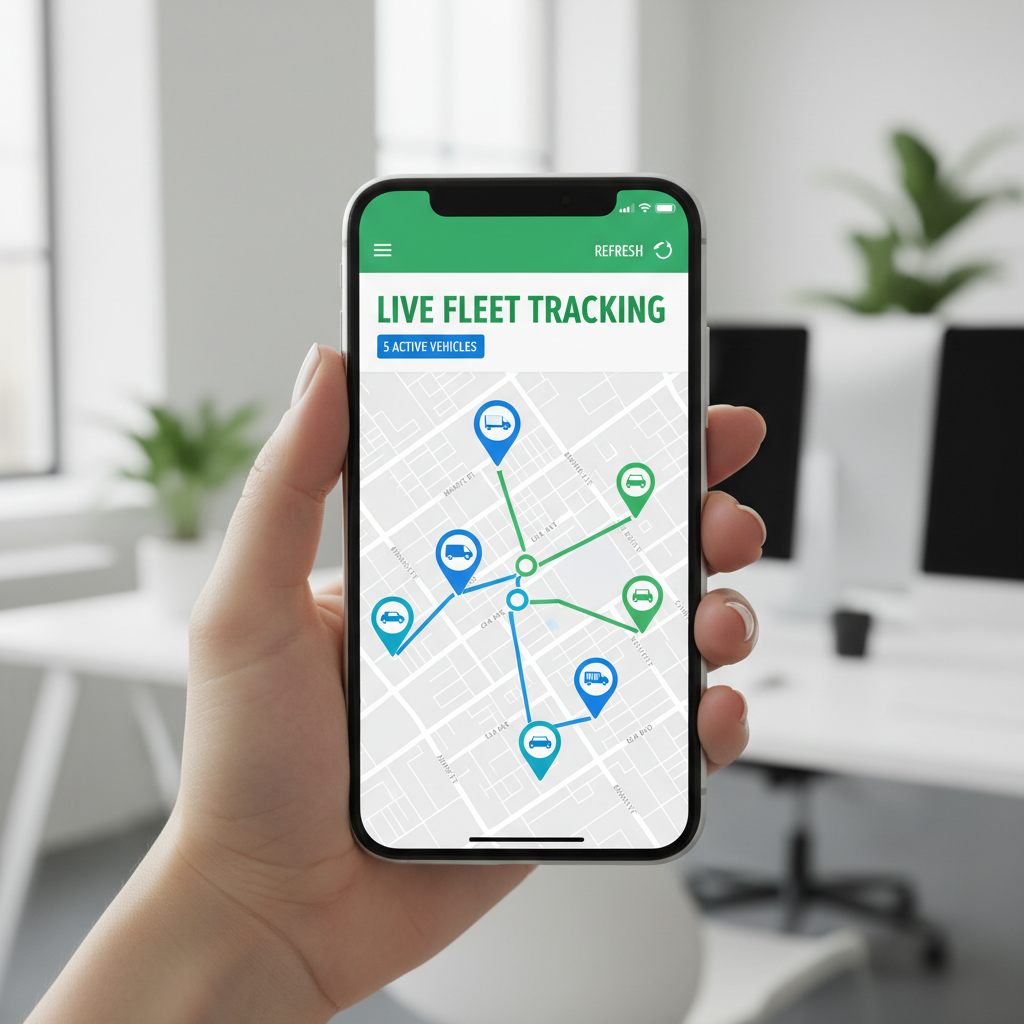
Users of these platforms benefit from features such as real-time tracking, automated invoicing, and instant rate comparisons. This technological advancement allows for a more transparent and efficient logistics process, providing a competitive edge to businesses operating in Texas.

Benefits for Shippers and Carriers
For shippers, digital freight matching platforms offer several advantages. They can quickly find available carriers, reducing the time spent on logistics planning. Moreover, they gain access to a larger network of carriers, enhancing their options and potentially lowering shipping costs.
Carriers, on the other hand, benefit from increased load opportunities and better route optimization. This not only maximizes their earning potential but also minimizes empty miles, contributing to a more sustainable operation.
Impact on the Texas Economy
Texas’s economy, with its strong reliance on logistics, is experiencing a positive impact from these platforms. By enhancing transportation efficiency, digital freight matching is helping local businesses reduce their operational costs and improve service delivery.
This efficiency translates into more competitive pricing and faster delivery times, which can significantly boost customer satisfaction and business growth across various industries in Texas.
Challenges and Considerations
Despite the benefits, there are challenges to consider. Integration with existing systems and training for staff can pose initial hurdles. Additionally, data security and privacy are critical concerns that must be addressed to ensure the safe operation of these platforms.
However, with ongoing advancements and increasing adoption, these challenges are being steadily overcome, paving the way for widespread use across the state.

The Future of Freight Matching in Texas
Looking ahead, the future of digital freight matching in Texas appears promising. As technology continues to evolve, we can expect further enhancements in platform capabilities, offering even more precise matching and predictive analytics.
This evolution will likely lead to even greater efficiencies and cost savings, solidifying digital freight matching as an indispensable tool in the logistics industry.
Conclusion
The revolution brought about by digital freight matching platforms is undeniable. By seamlessly connecting shippers and carriers, these platforms are transforming logistics in Texas, making it more efficient, cost-effective, and environmentally friendly.
As more businesses embrace this technology, the future of logistics in Texas looks brighter than ever, paving the way for continued economic growth and innovation.