
Preparing for Seasonal Freight Demands: A Texas Perspective


Understanding Seasonal Freight Demands
In Texas, seasonal freight demands can significantly impact logistics operations. From agricultural products to retail goods, the Lone Star State experiences unique shipping patterns that require careful planning and execution. Understanding these patterns is crucial for businesses looking to optimize their supply chain efficiency during peak seasons.
Key Challenges During Peak Seasons
One of the primary challenges is the fluctuation in demand. Seasonal events such as holidays, harvest periods, and weather changes can lead to sudden spikes in freight needs. This uncertainty can strain resources and lead to increased costs if not managed properly.
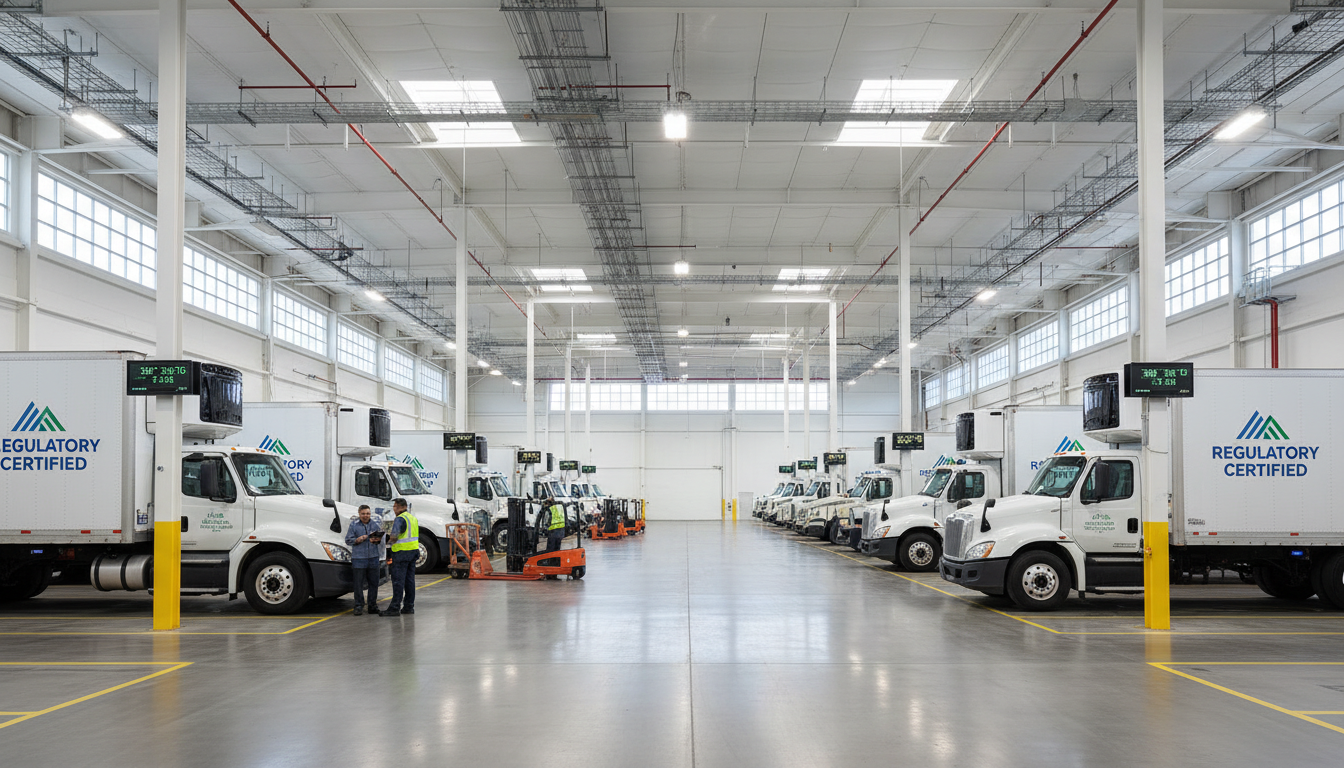
Another issue is the availability of transportation resources. During peak times, the demand for trucks and drivers increases, often leading to shortages. This can result in delays and higher freight rates, affecting overall profitability.
Strategies for Efficient Seasonal Planning
To mitigate these challenges, businesses should adopt proactive strategies. Here are some effective methods:
- Forecasting Demand: Use historical data and market trends to predict seasonal demand accurately.
- Flexible Contracts: Negotiate contracts that allow for changes in capacity and rates based on demand.
- Partner Collaboration: Work closely with carriers and suppliers to ensure smooth logistics operations.
Leveraging Technology
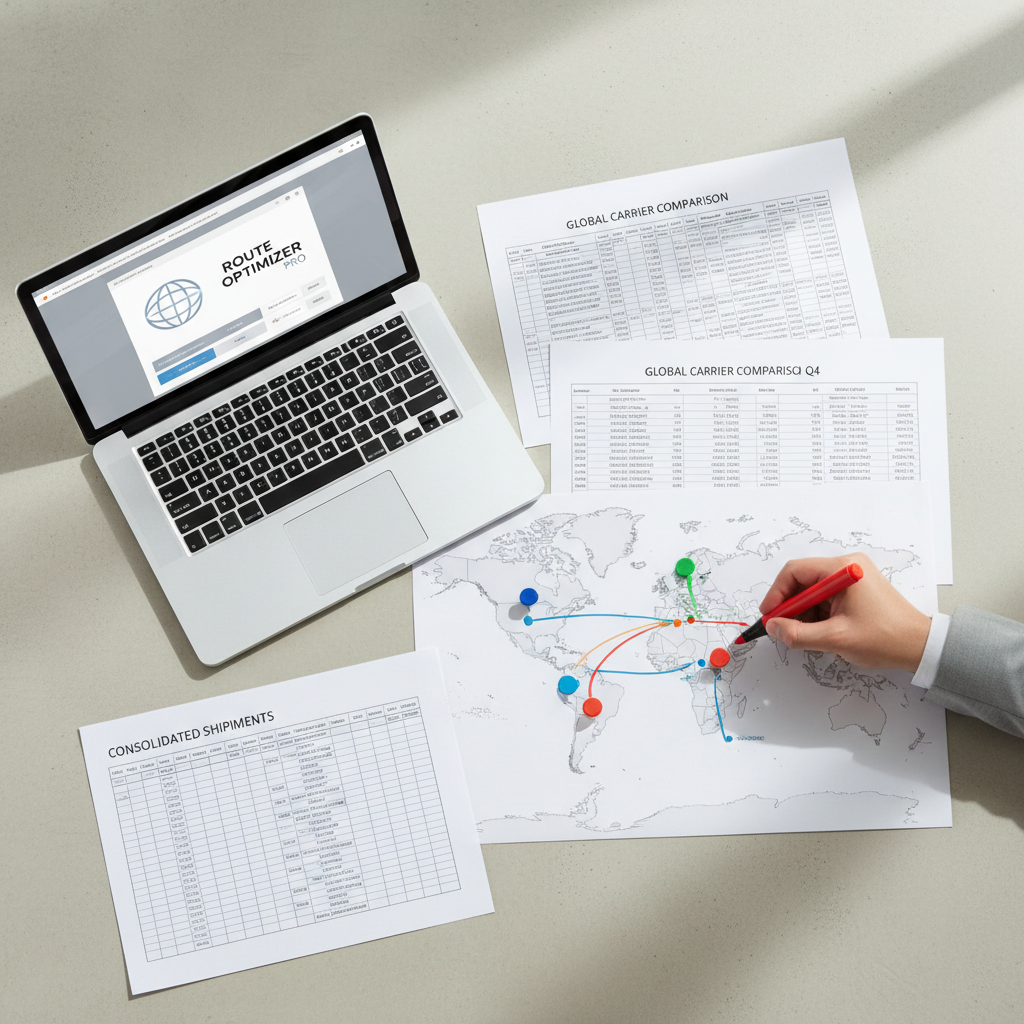
Technology plays a crucial role in managing seasonal freight demands. Advanced logistics software can provide real-time tracking, predictive analytics, and automated scheduling to optimize operations. By integrating technology, businesses can enhance their responsiveness to market changes.
Investing in Internet of Things (IoT) devices can also improve supply chain visibility, allowing for better management of inventory and transportation assets. This leads to more efficient operations and reduced costs.
Local Considerations in Texas
Texas presents unique logistical considerations due to its vast geography and diverse economic activities. Regions such as the Permian Basin have specific freight needs related to the energy sector, while agricultural areas require different logistics solutions.
Understanding local economic drivers and infrastructure capabilities can help businesses tailor their logistics strategies to meet regional demands effectively.

Building Resilient Supply Chains
Resilience is key to managing seasonal freight demands. By building flexible and robust supply chains, businesses can better withstand disruptions and maintain service levels. This involves diversifying suppliers, building buffer stocks, and continuously evaluating logistics strategies.
Moreover, fostering strong relationships with logistics partners can enhance collaboration and improve overall supply chain performance, ensuring that businesses can meet customer expectations even during peak seasons.