
Seasonal Logistics Challenges in El Paso and How to Overcome Them


El Paso, with its unique geographical position and climate, presents a set of distinct logistics challenges that businesses must navigate, especially during seasonal shifts. Understanding these challenges and preparing for them can ensure smooth operations and customer satisfaction.
Weather-Related Obstacles
El Paso's climate can be unpredictable, with hot summers and occasional winter storms. These weather conditions can impact transportation routes and delivery times. Extreme heat can lead to vehicle breakdowns, while ice and snow can cause road closures.

To mitigate these issues, companies should invest in weather monitoring systems and have contingency plans in place. This includes having alternative routes ready and ensuring vehicles are well-maintained to handle extreme conditions.
Cross-Border Logistics
Another significant challenge in El Paso is its position as a major cross-border logistics hub. The increased activity during holiday seasons can lead to congestion at border checkpoints, causing delays in shipments.
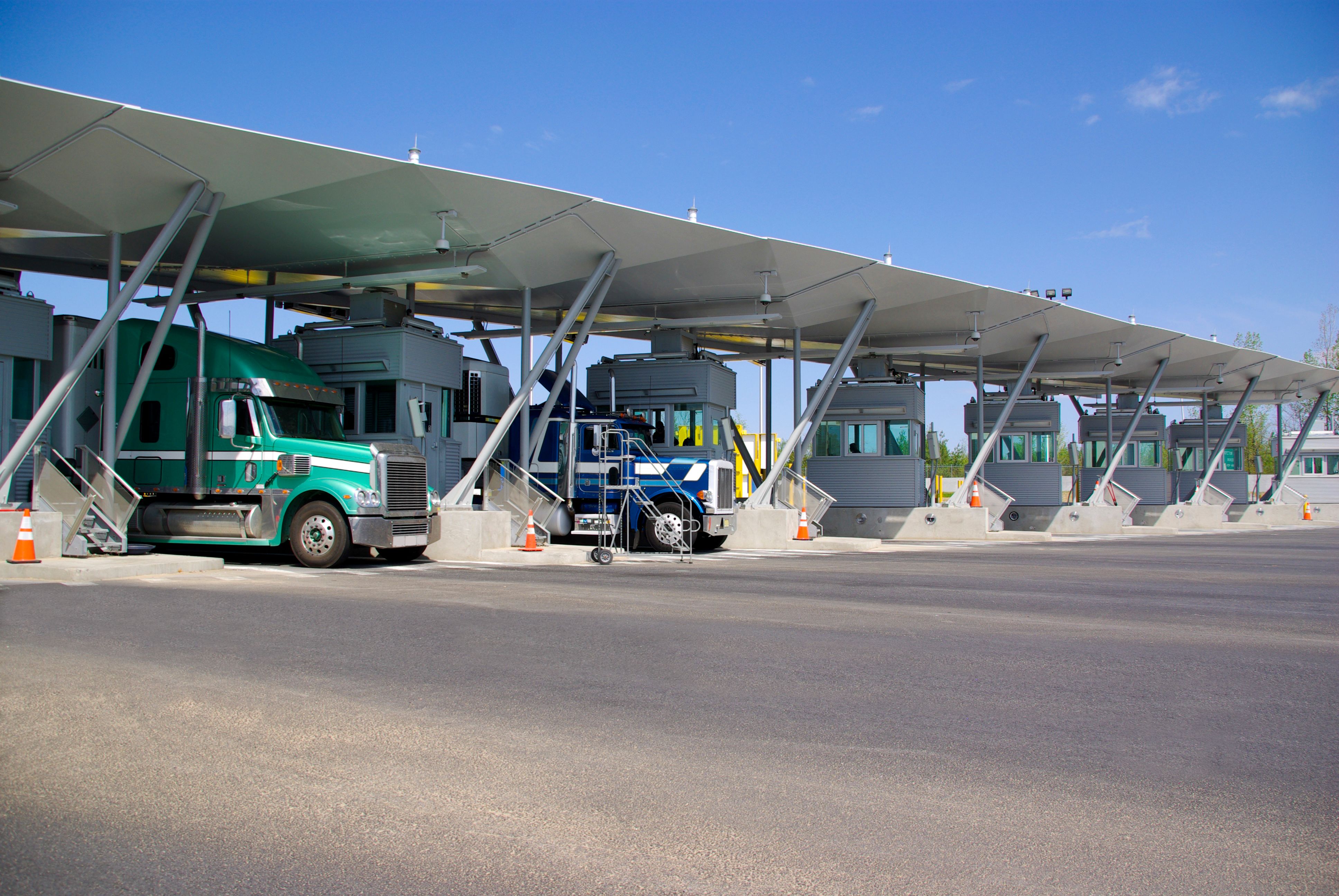
To overcome these hurdles, businesses should work closely with customs brokers to streamline paperwork and ensure compliance with regulations. Planning shipments during off-peak times can also help in avoiding bottlenecks.
Supply Chain Disruptions
The global supply chain disruptions have a ripple effect on local logistics. Seasonal demand fluctuations further complicate the situation, leading to inventory shortages or excess.
Businesses can combat these issues by adopting agile supply chain strategies. This includes maintaining a flexible inventory system, collaborating with multiple suppliers, and leveraging technology for real-time inventory tracking.

Labor Shortages
Seasonal peaks often result in labor shortages, as demand for skilled logistics personnel increases. This can lead to delays in processing and shipping orders.
To address this, businesses should consider cross-training employees to handle multiple roles and invest in automation technologies to reduce dependence on manual labor. Partnering with staffing agencies can also provide temporary workforce solutions during peak times.
Technological Integration
Implementing the right technology is crucial to overcoming logistics challenges. From automated inventory systems to advanced route planning software, technology can enhance efficiency and reduce errors.
Companies should regularly assess their technological infrastructure and invest in updates to keep pace with industry advancements. Training staff to effectively use these tools is equally important to ensure seamless integration.
Conclusion
By understanding and addressing the seasonal logistics challenges in El Paso, businesses can enhance their operational efficiency and customer satisfaction. Proactive planning, investment in technology, and strategic partnerships are key to overcoming these obstacles and ensuring a successful logistics operation.